Featured
Table of Contents
Every person experiences despair differently. Your experience of despair and just how you deal with it will depend on various factors. These may include your age, previous experiences with grief and your spiritual or spiritual views.
Anticipatory sorrow indicates feeling sad prior to the loss happens. Rather than grieving for the person, that is still with you, you may feel despair for things you will not get to do together in the future. When dealing with a substantial loss, such as the fatality of an enjoyed one, it is natural to feel lots of strong feelings.
This does not indicate you have actually quit on the person or that you uncommitted for them. Individuals detected with a terminal health problem and those facing the death of a liked one might experience awaiting sorrow. If you have actually been diagnosed with an incurable ailment, you may experience numerous feelings including shock, anxiety and unhappiness.
IFS Treatment: Exploring Your Inner System
You regret lost chances or experiences you'll miss even little ones, such as the enjoyment of the sunshine or a hot mug of coffee. If a person you love is facing a terminal disease, it is typical to experience anticipatory sorrow in the months, weeks and days before death. You may regret the exact same things your liked one is mourning, or various losses altogether.
You could feel awaiting pain If your liked one is confused or unconscious for a long period of time (e.g. with delirium or mental deterioration). You might feel that the person you knew is currently gone, even if they are still physically there. If your loved one has a decline in physical health or mobility, you could really feel awaiting pain as you lose the possibility to share experiences, such as hobbies, vacations or events.

This is specifically true if you spend a whole lot of time taking care of the individual. You might miss activities you utilized to delight in together and really feel grief concerning the adjustment in your relationship. The nature of your partnership may change as you tackle a carer's role, or become the one being taken care of.
Sensations of sorrow prior to death are normal it's vital to acknowledge them, and to speak about them. Experiencing anticipatory pain does not always imply that you will regret your enjoyed one any kind of much less after they are gone.

In truth, we do not experience sensations of despair one at a time or in a certain order. You might experience these things due to the fact that they are all normal feelings of sorrow.
Some people really feel numb after the fatality of an individual they cared about. If you experience this, it could be because it's just as well difficult to believe that the person you know so well is not coming back.
Why Focused Support for High-Achievers Creates Change in Your Community
Perhaps they assure themselves that they will certainly currently always do (or otherwise do) something, believing that it can make the person that has died come back. Or perhaps they believe it will quit any individual else passing away or various other negative things occurring. This is often called 'enchanting thinking'. Individuals may also find that they keep going back over the past and ask great deals of 'suppose' questions, wishing that they might go back and change things to ensure that they can have turned out differently.
These feelings can be really extreme and uncomfortable, and they may come and go over numerous months or years. Yet lots of people locate that unpleasant sensations similar to this come to be less strong with time. If you do not feel this is the instance for you, after that you ought to request for aid.
Her version came to be widely approved as a means to understand sorrow, yet gradually, pain counsellors and scientists expanded upon it, leading to the advancement of the. This prolonged design integrates extra emotional feedbacks that people may experience: The first response to loss usually brings shock and disbelief. This stage functions as a protective device, enabling us to soak up the fact of our loss in workable doses.
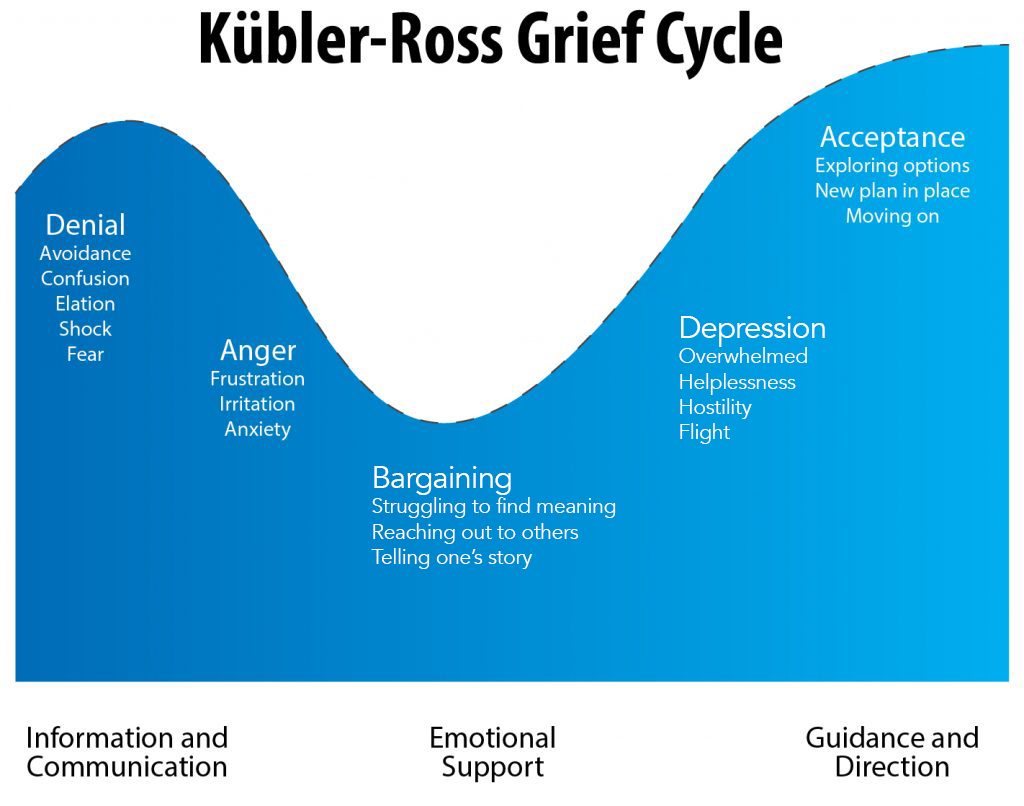
Sensations of remorse or sense of guilt might arisewondering if you could have done something differently, or sensation grief over points left unspoken. Sorrow can show up as angertoward on your own, others, or also the person that has actually passed.

Latest Posts
Building Resilience with Stress Therapy Support
Meditation-Informed Strategies Combined With Therapy in San Francisco
Professional Support and Advocacy